Introduction
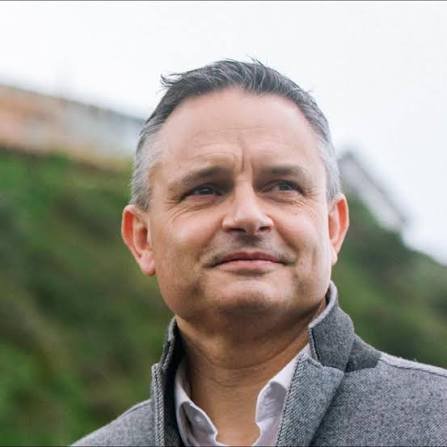
James Shaw is a New Zealand environmental campaigner, politician, former Green Party co-leader, and former Minister for Climate Change. Born and raised in Wellington, he developed an interest in environmental issues and sustainable development before entering national politics. His professional career included management consulting in London, where he worked with businesses on sustainability and responsible economic practices.
Shaw became a Green Party Member of Parliament in 2014 and was elected Green Party co-leader in 2015. His political career became closely associated with climate policy, particularly the Zero Carbon Act and efforts to establish a long-term framework for reducing New Zealand’s greenhouse-gas emissions. He served as Minister for Climate Change from 2017 until 2023.
Quick Bio
| Category | Details |
|---|---|
| Full Name | James Shaw |
| Known As | James Shaw |
| Born | 1973 |
| Birthplace | Wellington, New Zealand |
| Hometown | Wellington |
| Nationality | New Zealander |
| Profession | Politician, environmental campaigner, former management consultant |
| Political Party | Green Party of Aotearoa New Zealand |
| Famous For | Climate-change policy and Green Party leadership |
| Former Role | Minister for Climate Change |
| Parliamentary Entry | 2014 |
| Green Party Co-Leader | 2015–2024 |
| Climate Change Minister | 2017–2023 |
| Wife | Annabel James |
| Current Status | Former Member of Parliament |
Early Life and Family Background
James Shaw was born and raised in Wellington, particularly around Aro Valley. Public accounts of his childhood describe his mother, Cynthia Shaw, as an important influence in his upbringing. His mother worked as a teacher and raised him after separating from his father before Shaw was born.
From around the age of 12, Shaw was also raised in a household with his mother and her female partner, Susanne. Shaw has spoken publicly about growing up during the 1980s, a period when attitudes toward same-sex relationships in New Zealand were considerably different from those of today.
His family background became part of the personal story he shared when he entered Parliament. In his first parliamentary speech, Shaw acknowledged his mother, his wife, and other family members while connecting his personal experiences with broader questions about environmental protection and social progress.
Education and Early Development
Shaw attended Scots College for primary schooling and later attended Wellington High School. His education was followed by professional development that eventually took him toward sustainable development and business leadership.
His professional education included study toward a master’s degree connected with sustainable development and business leadership. During his time overseas, he increasingly became interested in the limits of relying on business alone to address large environmental and social challenges.
That experience helped shape the direction of his later career. Rather than treating sustainability as simply a corporate responsibility issue, Shaw increasingly viewed government policy as necessary for achieving change on a much larger scale.
Career Before Politics
Before becoming a politician, Shaw built a career in management consulting. He spent many years in London after moving there in the late 1990s, working with multinational businesses and helping organizations develop more sustainable approaches to business.
His consulting background became an important part of his political identity. Shaw entered politics with experience in economics, business strategy, sustainability and organizational change rather than coming directly from a traditional political career.
His time in the private sector also influenced his belief that environmental protection and economic development did not necessarily have to be opposing goals. He argued that businesses, communities and governments could work together to build a lower-emissions economy.
Return to New Zealand
After more than a decade overseas, Shaw returned to Wellington in 2010. His return was motivated partly by a desire to participate directly in New Zealand’s political and environmental future.
He became increasingly involved with the Green Party and eventually sought election to Parliament. His first attempt came in the 2011 general election, when he stood in Wellington Central. Although he did not enter Parliament at that election, the experience helped establish him as an emerging Green Party figure.
Entering Parliament
James Shaw was elected to Parliament as a Green Party list MP on 20 September 2014. He served in the 51st, 52nd, 53rd and 54th Parliaments. His parliamentary career officially ended in May 2024.
His arrival came at an important time for the Green Party. Shaw brought a background in sustainable business and management consulting, giving him a profile that combined environmental politics with economic and corporate experience.
His approach helped him become one of the party’s most prominent figures and prepared the way for his election as co-leader.
Green Party Leadership
In May 2015, Shaw became co-leader of the Green Party alongside Metiria Turei. His leadership campaign emphasized expanding the party’s membership and making environmental politics relevant to a wider section of New Zealand society.
After Turei stepped down in 2017, Shaw became the Green Party’s sole co-leader for a period before Marama Davidson later joined him in the leadership structure.
His leadership helped take the Greens into government following the 2017 election. This was historically important because the Green Party entered formal government with ministers for the first time.
Minister for Climate Change
One of the defining chapters of James Shaw’s career began when he became Minister for Climate Change on 26 October 2017. He held the portfolio until 27 November 2023.
During his ministerial career, Shaw became closely associated with the creation of New Zealand’s long-term climate policy framework. He was particularly involved in the development of the Zero Carbon Act, which established a statutory framework for addressing climate change.
The legislation became one of the most important achievements associated with his ministerial career. The Green Party later described Shaw as the architect of New Zealand’s landmark climate legislation.
The Zero Carbon Act
The Zero Carbon Act was a major milestone in New Zealand’s climate policy. It established long-term emissions-reduction objectives and created a framework intended to guide governments over decades rather than through short political cycles.
Shaw presented the legislation as an attempt to provide certainty for businesses, communities and future governments. He argued that climate policy needed durable institutions and legally established objectives rather than temporary political commitments.
The legislation passed with unanimous parliamentary support, a particularly significant achievement given the political disagreements that often surround climate policy. Shaw later highlighted the survival of the Zero Carbon Act through a change of government as one of the accomplishments of which he was especially proud.
Wider Climate Policy
Shaw’s ministerial responsibilities extended beyond the Zero Carbon Act. His work included emissions pricing, transport, energy, industry, climate governance and the transition toward a lower-emissions economy.
During his time in government, New Zealand also advanced reforms involving the Emissions Trading Scheme, clean transport, renewable energy investment, climate-risk reporting and the transition away from fossil-fuel-intensive activities.
Shaw also represented New Zealand internationally on climate issues. At COP26, he discussed the particular vulnerability of Pacific communities to climate change and emphasized the importance of international action and a fair transition to a low-carbon economy.
Activist and Former Minister for Climate Change of New Zealand
The phrase Activist and former Minister for Climate Change of New Zealand accurately reflects the two major sides of Shaw’s public career. Before becoming a senior minister, he developed a reputation for environmental advocacy and sustainable-development work. In government, he attempted to turn those ideas into legislation and national policy.
His approach was sometimes praised for bringing practical economic thinking into environmental politics. However, climate policy is inherently controversial, and Shaw also faced criticism from people who believed government action was either too slow or too restrictive. His own public comments later acknowledged frustration with the pace of progress during his years in government.
Other Ministerial Responsibilities
Climate change was Shaw’s best-known portfolio, but his ministerial responsibilities also included other areas. Parliament records show that he served as Minister of Statistics from 2017 to 2020 and as Associate Minister of Finance during the same period. From 2020 to 2023, he served as Associate Minister of Environment with responsibility for biodiversity.
These roles reflected the broader connection between environmental policy, economic decision-making, statistics and government planning.
Personal Life
James Shaw married Annabel James in January 2013. Public profiles have identified Annabel as an adjunct law lecturer at Victoria University of Wellington. The couple have been associated with Wellington and particularly the Aro Valley area.
Shaw has generally kept much of his private life separate from his political career. Publicly available profiles provide some information about his family and interests, but many private details are not documented and should not be assumed.
Career Timeline
2010
Returned to Wellington after spending many years overseas.
2011
Stood for Parliament in Wellington Central but was not elected.
2013
Married Annabel James.
2014
Entered Parliament as a Green Party list MP.
2015
Became Green Party co-leader.
2017
Entered government and became Minister for Climate Change.
2019
Helped advance the Zero Carbon legislation, which passed with unanimous parliamentary support.
2020
Continued as Climate Change Minister and took on additional responsibilities including biodiversity-related work later in the parliamentary term.
2021
Represented New Zealand in international climate discussions, including COP26.
2022
Was re-elected Green Party co-leader and continued his climate policy work.
2023
Finished his term as Climate Change Minister in November following the change of government.
2024
Announced his resignation as Green Party co-leader and subsequently left Parliament.
Why James Shaw Left Politics
After the 2023 election, the Green Party returned to opposition. In January 2024, Shaw announced that he would step down as co-leader after almost nine years in the position. He said he felt his work in Parliament was largely complete and wanted to make room for new leadership.
He initially remained in Parliament to support his proposed Bill of Rights amendment concerning a right to a clean, healthy and sustainable environment. Parliament records show that his membership ultimately ended on 5 May 2024.
Positive and Negative Sides of His Political Legacy
The strongest positive part of Shaw’s legacy is his contribution to establishing long-term climate legislation. The Zero Carbon Act created a framework intended to provide continuity across political changes and placed climate objectives at the center of government policy.
The negative side is that climate policy often moves more slowly than environmental campaigners expect. Shaw himself acknowledged frustration with the pace of progress, and his political career included periods of disagreement over how quickly governments should act.
Legacy and Impact
James Shaw left New Zealand politics with climate change as the defining issue of his public career. His transition from sustainability consultant to minister demonstrates how professional experience in business and environmental policy can lead to national political influence.
His most enduring contribution is likely to be the institutional climate framework created during his time as minister. Whether individual governments agree with every climate policy associated with his tenure, the Zero Carbon Act gave New Zealand a long-term legislative structure for addressing emissions and climate risk.
Conclusion
James Shaw’s career represents a significant chapter in modern New Zealand environmental politics. From his Wellington childhood and international consulting career to his election as a Green Party MP, he gradually moved from sustainability advocacy into the center of national climate policy.
As an Activist and former Minister for Climate Change of New Zealand, Shaw became especially known for helping establish the Zero Carbon Act and for bringing climate change into long-term government planning. His political journey was not without disagreements or setbacks, but his work helped create a framework that continues to influence New Zealand’s climate debate.
Frequently Asked Questions
Who is James Shaw?
James Shaw is a New Zealand environmental campaigner, former Green Party co-leader and former Minister for Climate Change.
Where was James Shaw born?
James Shaw was born and raised in Wellington, New Zealand.
Who is James Shaw’s wife?
James Shaw married Annabel James in January 2013.
Who raised James Shaw?
His mother, Cynthia Shaw, played a major role in raising him, and he later grew up with her partner Susanne.
What is James Shaw famous for?
He is best known for Green Party leadership and his work as New Zealand’s Minister for Climate Change.
When did James Shaw become an MP?
He was first elected to Parliament as a Green Party list MP in September 2014.
When was James Shaw Minister for Climate Change?
He served as Minister for Climate Change from 26 October 2017 until 27 November 2023.
Why did James Shaw leave Parliament?
After the 2023 election, Shaw announced his intention to leave political leadership and subsequently left Parliament in 2024 after nearly nine years as Green Party co-leader.
