Introduction
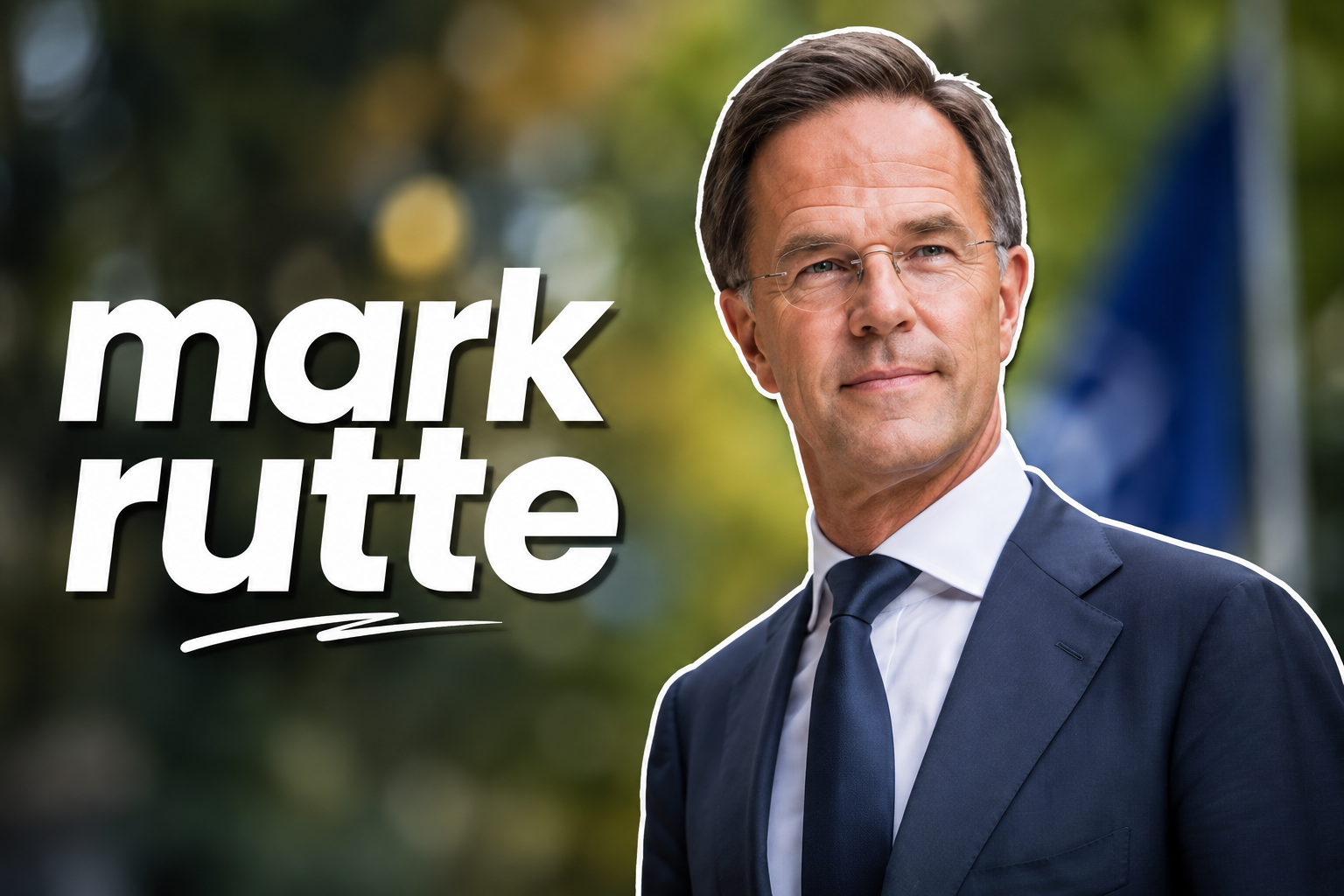
Mark Rutte is a Dutch politician whose career has moved from business and domestic politics to one of the most important international leadership positions in the world. Born in The Hague on 14 February 1967, he studied Dutch history at Leiden University before beginning a professional career in human resources at Unilever and its subsidiaries. His later political career included senior government positions, leadership of the People’s Party for Freedom and Democracy (VVD), and almost 14 years as Prime Minister of the Netherlands.
Since 1 October 2024, Mark Rutte has served as the Secretary General of NATO, becoming the Alliance’s 14th Secretary General. His career demonstrates the importance of political experience, negotiation and consensus-building in public leadership. His record also includes difficult periods and serious criticism, showing that a long political career can bring both significant achievements and substantial challenges.
Quick Bio of Mark Rutte
| Category | Details |
|---|---|
| Full Name | Mark Rutte |
| Date of Birth | 14 February 1967 |
| Age | 59 in August 2026 |
| Birthplace | The Hague, Netherlands |
| Nationality | Dutch |
| Profession | Politician |
| Political Party | People’s Party for Freedom and Democracy (VVD) |
| Education | Dutch history, Leiden University |
| Previous Major Role | Prime Minister of the Netherlands |
| Prime Minister | October 2010 – July 2024 |
| Current Position | Secretary General of NATO |
| NATO Appointment | 1 October 2024 |
| Marital Status | Unmarried |
| Children | No publicly documented children |
Early Life and Family Background
Mark Rutte was born in The Hague, Netherlands, on 14 February 1967. He completed his secondary education in The Hague before attending Leiden University, where he studied Dutch history between 1984 and 1992. His early educational path was in the humanities rather than government, economics or international relations.
Rutte’s family background has been documented by Dutch biographical sources, although he has generally maintained a private personal life. Public biographical records identify his father as Izaäk Rutte and his mother as Hermina Cornelia Dilling. Rutte has also spoken publicly about experiences involving his family and his father, but his public profile has remained focused primarily on his professional and political work.
Education and Interest in Music
Rutte studied Dutch history at Leiden University and completed his university education in 1992. His academic background helped develop an understanding of Dutch society, history and political development before he entered professional life.
An interesting part of Rutte’s early life is his interest in music. Biographical records note that he once aspired to become a concert pianist. Although he eventually chose business and politics, this interest became one of the better-known personal details in accounts of his life.
Career Before Politics
After completing his studies, Rutte entered the private sector rather than immediately becoming a full-time politician. In 1992, he began working for Unilever in human resources management, where his responsibilities included training and organisational work. He remained connected with Unilever and its subsidiaries for roughly a decade.
From 1997 to 2002, he worked as a personnel manager at Van den Bergh Nederland, a Unilever subsidiary. In 2002, he became human-resources director at IgloMora, another Unilever subsidiary. This experience gave him practical exposure to management, organisational change and workplace administration before he moved into national politics.
Entry Into Dutch Politics
Rutte’s political involvement developed through the liberal VVD and its youth organisation. His transition from business to government began with his appointment as State Secretary for Social Affairs and Employment in July 2002. This was his first major position within the Dutch national government.
In early 2003, Rutte briefly served as a member of the Dutch House of Representatives. He returned to government later that year and in June 2004 became State Secretary for Education, Culture and Science. These positions gave him experience across social policy, employment and education before he became one of the VVD’s most prominent political figures.
Rise as VVD Leader
In June 2006, Rutte became leader of the VVD parliamentary party. His political profile grew steadily, and he eventually led the party into the 2010 Dutch general election. The VVD’s election success allowed Rutte to become Prime Minister later that year. NATO describes him as the first liberal prime minister appointed in the Netherlands in 92 years.
His rise within the VVD reflected his ability to work within a political system where coalition governments are central to forming national administrations. That experience later became an important part of his international reputation, particularly when NATO Allies selected him to become Secretary General.
Mark Rutte as Prime Minister
Mark Rutte became Prime Minister of the Netherlands in October 2010 and remained in the position until July 2024. During almost 14 years in office, he led four coalition governments. This made him the longest-serving Dutch prime minister to date.
His premiership covered several major national and international events. These included economic difficulties, the coronavirus pandemic, Russia’s war against Ukraine and the aftermath of the 2014 MH17 disaster. NATO describes the MH17 tragedy as an important turning point in Rutte’s approach to international security and cooperation.
Challenges and Criticism During His Premiership
Rutte’s long time in government also included serious political difficulties. One of the most significant was the Dutch childcare benefits scandal, in which thousands of families were affected by serious failures in the benefits system. The issue became a major national political controversy and contributed to criticism of the government and its institutions.
The positive side of Rutte’s premiership was his ability to keep coalition governments functioning for long periods and to negotiate among different political interests. The negative side was that his governments also faced major controversies and criticism over policy decisions and administrative failures. These contrasting elements are important when assessing his political record fairly.
Resignation and Final Years as Prime Minister
In July 2023, Rutte announced the resignation of his government after a disagreement within the coalition concerning migration policy. The cabinet continued in a caretaker capacity while preparations were made for a new government.
Rutte eventually left the office of Prime Minister in July 2024 after nearly 14 years at the centre of Dutch national politics. The new Dutch government was sworn in on 2 July 2024, and Rutte formally ended his premiership.
Becoming Secretary General of NATO
Rutte took office as NATO Secretary General on 1 October 2024, succeeding Jens Stoltenberg. He became the 14th person to hold the position since NATO was established. His selection reflected his extensive experience as a European political leader and his reputation for coalition-building and consensus.
When he took office, Rutte identified three priorities for NATO: keeping the Alliance’s defences strong, increasing support for Ukraine and strengthening NATO’s partnerships around the world. These priorities placed his experience in international diplomacy at the centre of his new role.
What Does the NATO Secretary General Do?
The Secretary General of NATO is the Alliance’s top international civil servant. The position involves chairing major committees, helping guide discussions and decision-making, serving as NATO’s principal spokesperson and overseeing the International Staff.
The role requires consensus because NATO decisions are made by its member governments. The Secretary General helps facilitate agreement among Allies but does not independently make decisions on behalf of individual member states. Regular meetings with national leaders, ministers and international partners are an important part of the job.
Mark Rutte’s Leadership Style
Rutte’s leadership style is strongly associated with pragmatism and consensus-building. His experience leading four Dutch coalition governments prepared him for an organisation in which different governments must find common ground before major decisions can be implemented.
His political career also demonstrates the importance of adapting to changing circumstances. He moved from human-resources management to domestic government, then to long-term national leadership and finally to international security diplomacy. That progression has made his career unusual among European political leaders.
Career Timeline
| Period | Career Milestone |
|---|---|
| 1984–1992 | Studied Dutch history at Leiden University |
| 1992–1997 | Human-resources manager at Unilever |
| 1997–2002 | Personnel manager at Van den Bergh Nederland |
| 2002 | HR director at IgloMora |
| 2002–2004 | State Secretary for Social Affairs and Employment |
| 2003 | Member of the House of Representatives |
| 2004–2006 | State Secretary for Education, Culture and Science |
| 2006–2010 | VVD parliamentary party leader |
| 2010–2024 | Prime Minister of the Netherlands |
| 2024–Present | Secretary General of NATO |
The timeline shows how Rutte gradually moved from corporate management into increasingly senior political responsibilities. His current NATO position represents the international stage of a career that began more than three decades ago.
Personal Life
Rutte is unmarried, according to his official Dutch government curriculum vitae. His public biography focuses much more on education, work and politics than on private relationships.
He has also maintained a relatively private personal profile throughout his political career. For that reason, information about private relationships, personal possessions and other details should not be added unless reliably documented by authoritative sources.
Achievements and Historical Importance
One of Rutte’s clearest achievements is becoming the longest-serving Prime Minister in Dutch history. His nearly 14 years in office gave him extensive experience managing coalition politics and representing the Netherlands internationally.
His appointment as NATO Secretary General added another major milestone. From Dutch domestic politics, he moved to an organisation responsible for coordinating the security interests of its member countries. His career therefore connects Dutch political leadership with wider European and transatlantic security policy.
Conclusion
Mark Rutte’s biography is a story of gradual political and professional development. His career began in human-resources management, moved through Dutch government and VVD leadership, and eventually led to almost 14 years as Prime Minister of the Netherlands. His ability to work across coalition politics became one of the defining features of his public career.
Today, as Secretary General of NATO, Rutte operates on a broader international stage. His responsibilities include helping NATO Allies reach consensus, representing the Alliance publicly and overseeing its International Staff. His career includes both notable achievements and serious political challenges, making a balanced account essential for understanding his historical importance.
Frequently Asked Questions About Mark Rutte
1. Who is Mark Rutte?
Mark Rutte is a Dutch politician and the 14th Secretary General of NATO, a position he has held since 1 October 2024.
2. When and where was Mark Rutte born?
Mark Rutte was born on 14 February 1967 in The Hague, Netherlands.
3. What did Mark Rutte study?
He studied Dutch history at Leiden University from 1984 to 1992.
4. Who are Mark Rutte’s parents?
Public biographical records identify his father as Izaäk Rutte and his mother as Hermina Cornelia Dilling.
5. Is Mark Rutte married?
No, his official Dutch government curriculum vitae identifies him as unmarried.
6. Does Mark Rutte have children?
No children are publicly documented in his official biographical information.
7. What was Mark Rutte’s job before politics?
He worked in human-resources management at Unilever and several of its subsidiaries.
8. How long was Mark Rutte Prime Minister?
He served as Prime Minister of the Netherlands from October 2010 until July 2024, almost 14 years.
9. When did Mark Rutte become NATO Secretary General?
He took office as NATO Secretary General on 1 October 2024.
10. What are the main responsibilities of the NATO Secretary General?
The Secretary General chairs major NATO committees, helps facilitate consensus, serves as the Alliance’s principal spokesperson and heads the International Staff.
