Introduction
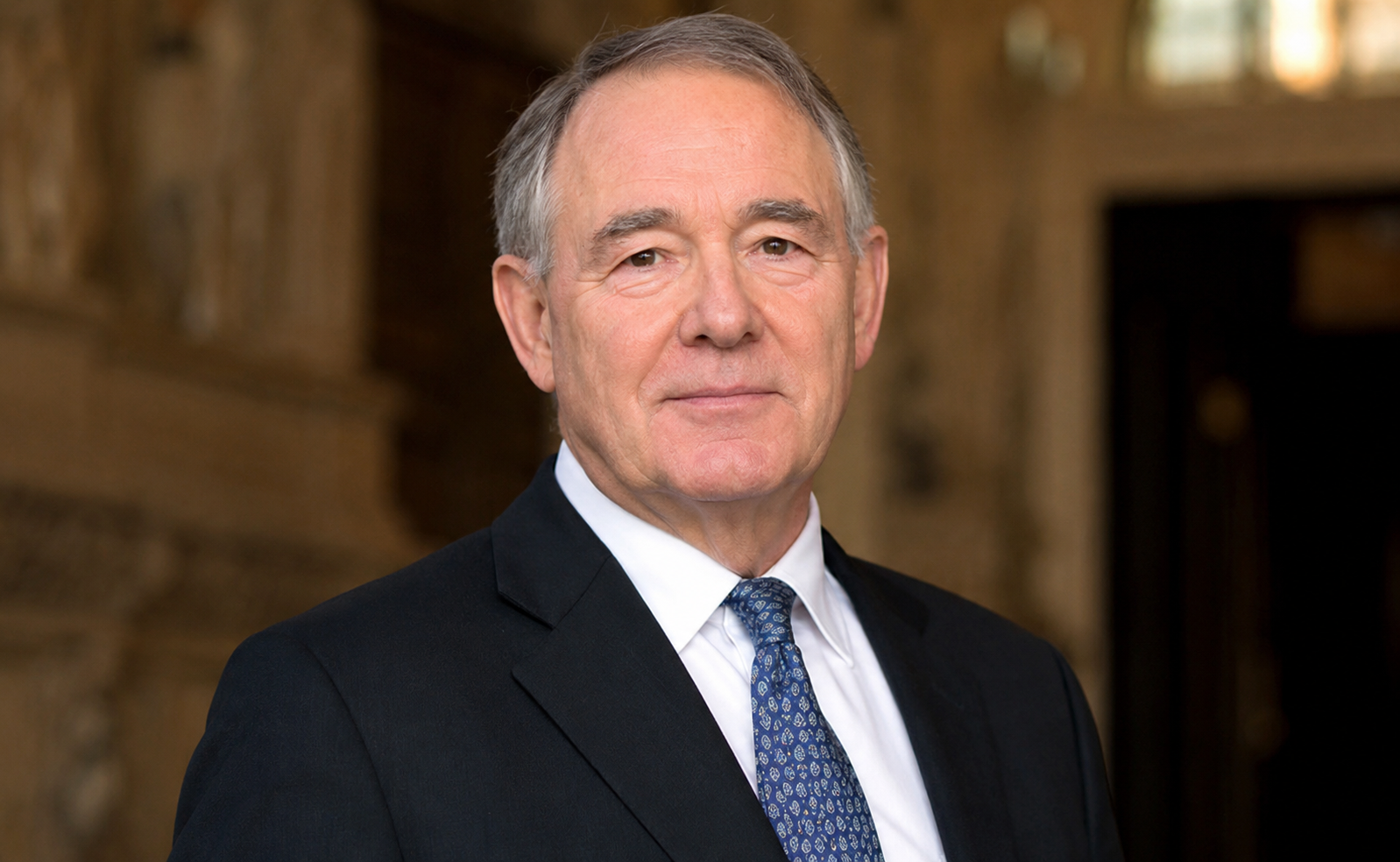
Richard Dannatt is one of the most recognisable senior figures in modern British military history. A career soldier who rose from service with The Green Howards to become Chief of the General Staff, he spent decades involved in major British and international military operations. His career included Northern Ireland, Germany, Bosnia, Kosovo and senior NATO responsibilities, giving him extensive experience of command, defence planning and military leadership.
His public reputation was shaped not only by his achievements but also by his willingness to discuss difficult defence questions. As Chief of the General Staff from 2006 to 2009, he strongly advocated better support, equipment and pay for troops. After leaving the Army, he continued contributing to public life through the House of Lords, writing, charitable work and defence commentary.
Quick Bio
| Detail | Information |
|---|---|
| Full Name | Richard Dannatt |
| Known As | General Sir Richard Dannatt; Lord Dannatt |
| Date of Birth | 23 December 1950 |
| Birthplace | Broomfield, Essex, England |
| Nationality | British |
| Profession | Retired British Army general, author and life peer |
| Military Regiment | The Green Howards |
| Famous For | Chief of the General Staff |
| Chief of the General Staff | 2006–2009 |
| Spouse | Philippa Dannatt |
| Children | Three sons and one daughter |
| House of Lords | Crossbench life peer |
| Major Honour | Military Cross |
| Books | Leading from the Front and Boots on the Ground |
Early Life and Family Background
Richard Dannatt was born on 23 December 1950 in Broomfield, Essex. He was educated at Felsted School and St Lawrence College, where his interests and experiences helped shape his future direction. His early life included an interest in cricket, while his education and exposure to military life eventually encouraged him toward a career in the Army.
Family was also important in his background. His father was an architect, and Dannatt later developed strong connections with Norfolk. He married Philippa in 1977, and they have three sons and a daughter. His family has also had links with military and charitable service, adding another dimension to his long association with public life.
Education and Military Training
Dannatt attended the Royal Military Academy Sandhurst before receiving his commission into The Green Howards in 1971. His military education prepared him for the demanding responsibilities of an infantry officer and eventually for senior command positions within the British Army and NATO.
He also became a graduate of Durham University, as did his wife Philippa. His later professional education included the Army Staff College at Camberley, where he worked on military doctrine and developed ideas relevant to Britain’s changing post-Cold War defence environment.
Beginning of His Army Career
Richard Dannatt’s military career began with The Green Howards, a regiment with a long history in the British Army. His early service included several tours in Northern Ireland, along with periods in Cyprus with the United Nations and service in Germany. These assignments gave him practical experience in operations, leadership and multinational cooperation.
In 1973, at the age of 22, Dannatt was awarded the Military Cross for his service in Northern Ireland. The honour became one of the defining early achievements of his career and demonstrated the operational leadership that would later characterise his progression through senior Army appointments.
Command With The Green Howards
Dannatt eventually commanded the 1st Battalion, The Green Howards, from 1989 to 1991. His command came during an important period in British military history, and the experience strengthened his understanding of leading soldiers in demanding operational circumstances.
Earlier staff work also expanded his responsibilities beyond frontline command. At the Army Staff College in Camberley, he worked on doctrine and wrote the Army publication Operations, reflecting the changing requirements of military operations after the Cold War.
Bosnia, Kosovo and NATO Leadership
From 1994 to 1996, Dannatt commanded 4th Armoured Brigade in Germany and Bosnia during the early implementation of the Dayton Peace Agreement. This period gave him valuable experience in multinational operations and post-conflict military responsibilities.
In January 1999, he took command of 3rd United Kingdom Division and served that year as Commander British Forces in Kosovo. In 2000, he returned to Bosnia as Deputy Commander Operations of the NATO Stabilisation Force. These appointments established him as an experienced senior commander in complex international operations.
Rise to the Top of the British Army
After serving as Assistant Chief of the General Staff at the Ministry of Defence, Dannatt took command of NATO’s Allied Rapid Reaction Corps. He then became Commander-in-Chief Land Command in March 2005. These positions placed him among Britain’s most senior military leaders and prepared him for the Army’s highest professional appointment.
In August 2006, Dannatt became Chief of the General Staff, the professional head of the British Army. He remained in the position until August 2009. His leadership coincided with major British commitments in Iraq and Afghanistan, making his tenure especially significant in the modern history of the Army.
Leadership and Troop Welfare
One of the strongest features of Richard Dannatt’s leadership was his focus on soldiers. During his time as Chief of the General Staff, he campaigned for a better deal for troops and argued for better equipment, improved care and higher pay. This helped shape his public image as a senior officer who placed the welfare of service personnel at the centre of military effectiveness.
His approach was positive in its emphasis on people, but it was also controversial because he was prepared to speak openly about the pressures facing the Army. In 2006, he publicly discussed the strain created by simultaneous operations in Iraq and Afghanistan. His comments generated substantial public and political debate, although RUSI analysis noted that his concerns reflected serious operational pressures.
Defence Views and Public Reputation
Dannatt became known for expressing strong views about Britain’s military commitments. He argued that the Army could not continue indefinitely at high operational levels without consequences for personnel and capability. His comments were notable because serving military chiefs traditionally operate carefully within the principle of civilian control of defence.
The negative side of this outspoken reputation was that some of his public statements attracted criticism and political controversy. The positive side was that he brought military concerns directly into national discussion. His career therefore demonstrates both the opportunities and risks of senior military leaders speaking publicly about defence policy.
Career Timeline
| Year | Career Milestone |
|---|---|
| 1950 | Born in Broomfield, Essex |
| 1971 | Commissioned into The Green Howards |
| 1973 | Awarded the Military Cross |
| 1989–1991 | Commanded 1st Battalion The Green Howards |
| 1994–1996 | Commanded 4th Armoured Brigade |
| 1999 | Took command of 3rd Division and served in Kosovo |
| 2000 | Became Deputy Commander Operations in Bosnia |
| 2001–2002 | Assistant Chief of the General Staff |
| 2003 | Took command of NATO’s Allied Rapid Reaction Corps |
| 2005 | Became Commander-in-Chief Land Command |
| 2006–2009 | Chief of the General Staff |
| 2009 | Retired from the Army and became RUSI Chairman |
| 2011 | Entered the House of Lords |
| 2016 | Published Boots on the Ground |
Honours and Achievements
Dannatt received several important military honours during his career. These included the Military Cross in 1973, a CBE in 1996, the Queen’s Commendation for Valuable Service in 1999, a Knight Commander of the Order of the Bath in 2005 and a Knight Grand Cross of the Order of the Bath in 2009.
His achievements were not limited to military decorations. He became chairman of the Royal United Services Institute after leaving the Army, although he stepped down shortly afterwards when he accepted an advisory role with the Opposition Defence team. His later public service continued through charitable, parliamentary and defence-related work.
House of Lords Career
Richard Dannatt later became a Member of the House of Lords of the United Kingdom. As a Crossbench life peer, he sits independently rather than as a member of a political party. His position in the Lords has allowed him to continue contributing to national discussions on defence, security and public affairs.
His transition from military command to parliamentary service reflects the wider public role he developed after retirement. Rather than ending his career with the Army, he continued using his experience to contribute to debates concerning Britain’s armed forces and national security.
Books and Writing
Richard Dannatt has also established himself as an author. His autobiography, Leading from the Front, examines his military career and leadership experiences. The book provides an account of his progression from junior officer to one of Britain’s most senior military commanders.
He later wrote Boots on the Ground: Britain and Her Army Since 1945, a work examining the development and changing role of the British Army. His writing has therefore extended his influence beyond military command into historical and strategic discussion.
Charity and Public Service
Dannatt has maintained connections with charitable organisations, particularly those supporting service personnel and wider humanitarian causes. His association with Help for Heroes reflected his continuing interest in the welfare of members of the armed forces after leaving active military service.
His public-service record demonstrates that his career was not limited to battlefield command. Military welfare, defence education, charitable work and national service became important parts of his later public identity.
Personal Life
Richard Dannatt married Philippa in 1977, and they have three sons and a daughter. The couple have a permanent home in Norfolk and are both graduates of Durham University.
His family has maintained connections with service and public life. One of his sons served with the Grenadier Guards in Iraq and Afghanistan, providing another connection between the Dannatt family and Britain’s military tradition.
Conclusion
Richard Dannatt’s life represents a long journey from an Essex childhood to the highest professional leadership position in the British Army. His service with The Green Howards, senior commands in Bosnia and Kosovo, NATO responsibilities and eventual position as Chief of the General Staff established him as an important figure in British defence history.
His legacy is both positive and debated. Supporters remember his determination to improve conditions for soldiers, while his outspoken defence views sometimes created controversy. Nevertheless, his influence continued after military retirement through writing, charity, public service and his role as a Member of the House of Lords of the United Kingdom. His career remains a significant example of leadership, responsibility and the difficult choices faced by senior military figures.
Frequently Asked Questions
Who is Richard Dannatt?
Richard Dannatt is a retired British Army general who served as Chief of the General Staff from 2006 to 2009.
When was Richard Dannatt born?
Richard Dannatt was born on 23 December 1950 in Broomfield, Essex, England.
Who is Richard Dannatt’s wife?
Richard Dannatt’s wife is Philippa Dannatt, whom he married in 1977.
How many children does Richard Dannatt have?
Richard Dannatt and Philippa have three sons and one daughter.
Where does Richard Dannatt’s family have a permanent home?
Richard Dannatt and his wife have a permanent home in Norfolk.
What regiment did Richard Dannatt join?
He was commissioned into The Green Howards in 1971.
What was Richard Dannatt famous for in the Army?
He became famous for serving as Chief of the General Staff and advocating better support for British troops.
Is Richard Dannatt a Member of the House of Lords of the United Kingdom?
Yes, Richard Dannatt is a Crossbench life peer and Member of the House of Lords of the United Kingdom.
