Introduction
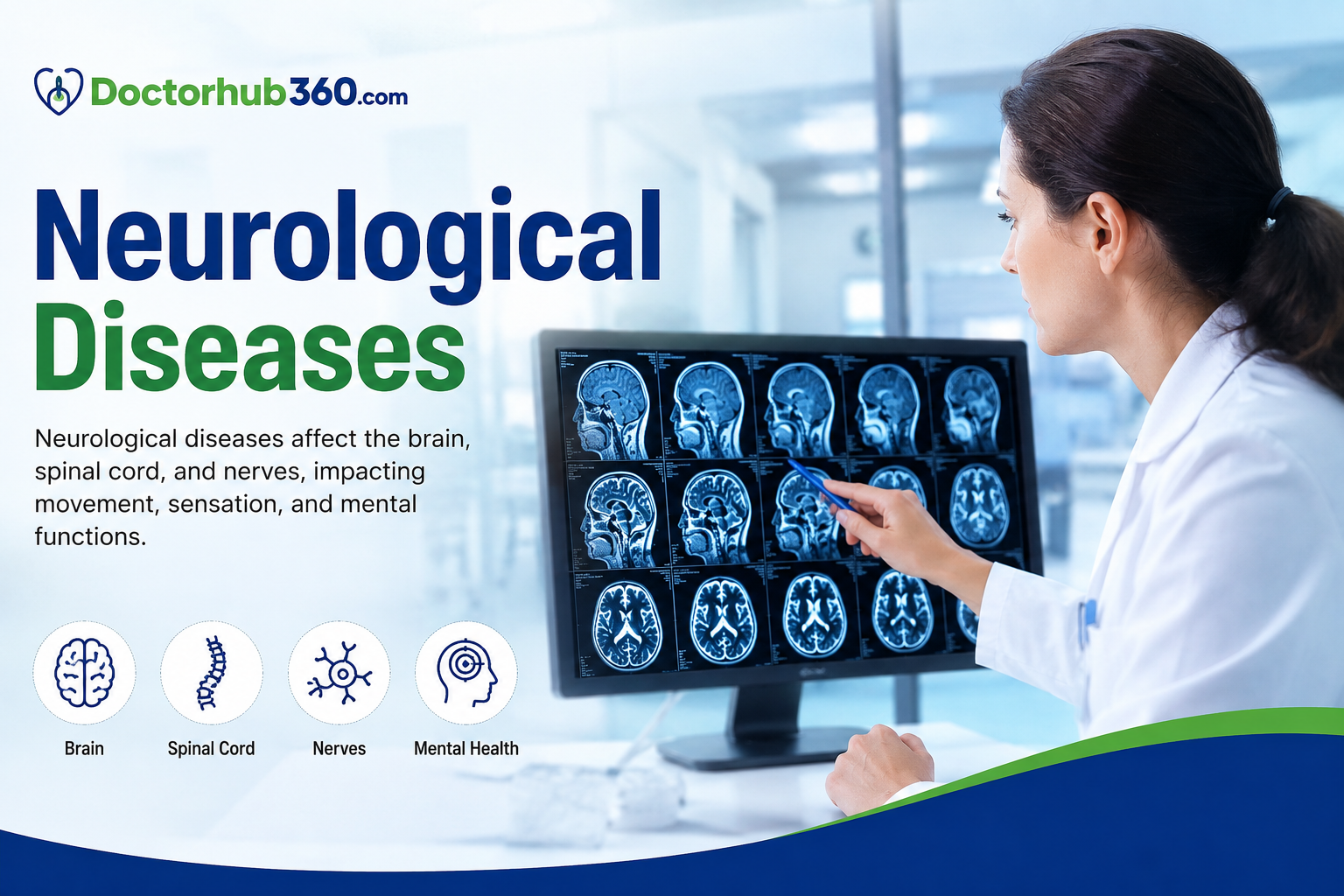
Doctorhub360.com Neurological Diseases is a useful search topic for people who want to understand conditions affecting the brain, spinal cord, and nerves. Neurological diseases can influence movement, memory, speech, sensation, balance, and many other functions of the body.
DoctorHub360 has published educational information about neurological disorders, including conditions such as Alzheimer’s disease, Parkinson’s disease, epilepsy, multiple sclerosis, and peripheral neuropathy.
Neurological conditions are also a major global health concern. The World Health Organization reported that neurological conditions affected more than 3 billion people worldwide in 2021 and are now the leading cause of illness and disability globally.
What Are Neurological Diseases?
Neurological diseases are medical conditions that affect the nervous system. The nervous system includes the brain, spinal cord, and the nerves that connect different parts of the body.
These conditions can develop for many different reasons. Some may be linked to genetics, immune-system problems, infections, injuries, blood-vessel problems, metabolic conditions, or changes that happen to nerve cells over time.
Some neurological problems appear suddenly, while others develop slowly.
For example, a stroke can cause sudden neurological problems, while conditions such as Parkinson’s disease or Alzheimer’s disease generally develop progressively.
Common Neurological Diseases
There are hundreds of neurological conditions. Some of the better-known examples include:
Alzheimer’s Disease
Alzheimer’s disease is a progressive brain disorder associated with problems involving memory, thinking, and other cognitive abilities.
As the disease progresses, a person may need increasing support with everyday activities.
Parkinson’s Disease
Parkinson’s disease affects movement and can cause symptoms such as tremors, stiffness, and slowed movement.
Treatment can help many people manage symptoms, although the condition requires ongoing medical care.
Epilepsy
Epilepsy is a neurological disorder characterized by recurrent seizures.
Seizures can look different from one person to another. Some involve noticeable movements, while others may cause temporary changes in awareness or behavior.
Multiple Sclerosis
Multiple sclerosis, commonly called MS, affects the central nervous system.
Possible symptoms include problems with movement, vision, sensation, coordination, or energy levels. The condition can vary considerably between individuals.
Peripheral Neuropathy
Peripheral neuropathy involves damage or dysfunction of nerves outside the brain and spinal cord.
Common symptoms can include numbness, tingling, burning sensations, pain, or weakness, particularly in the hands or feet.
Migraine
Migraine is a neurological condition that can cause recurring headaches and other symptoms.
Some people experience nausea, sensitivity to light or sound, or visual symptoms during an attack.
Symptoms of Neurological Diseases
Neurological symptoms can vary greatly depending on the condition and the part of the nervous system involved.
Common symptoms may include:
- Persistent or recurring headaches
- Numbness or tingling
- Muscle weakness
- Tremors
- Difficulty walking
- Problems with balance
- Seizures
- Memory problems
- Confusion
- Changes in vision
- Speech difficulties
- Problems with coordination
- Changes in sensation
Having one of these symptoms does not automatically mean that a person has a neurological disease. Many symptoms can have different causes.
However, persistent, severe, unusual, or suddenly developing symptoms should be assessed by a qualified healthcare professional.
What Causes Neurological Diseases?
There is no single cause of neurological disease.
Depending on the condition, possible causes or contributing factors can include:
Genetic Factors
Some neurological disorders can be inherited or associated with genetic changes.
Blood Vessel Problems
Conditions affecting blood flow to the brain can cause serious neurological problems. Stroke is one important example.
Infections
Certain infections can affect the brain, spinal cord, or nerves.
Immune-System Problems
In some neurological diseases, the immune system mistakenly attacks parts of the nervous system.
Injuries
Head, brain, spinal cord, or nerve injuries can lead to neurological problems.
Metabolic Conditions
Some metabolic disorders and health conditions can damage nerves or affect brain function. Diabetes, for example, can contribute to peripheral nerve damage.
Degenerative Changes
Some diseases involve progressive damage or loss of nerve cells.
How Are Neurological Diseases Diagnosed?
Doctors usually begin with a detailed medical history and neurological examination.
Depending on the symptoms, a healthcare professional may recommend additional tests.
These can include:
- Blood tests
- Brain or spine imaging
- MRI scans
- CT scans
- Electroencephalography (EEG)
- Nerve conduction studies
- Electromyography (EMG)
- Genetic testing in selected cases
- Other specialist investigations
The appropriate tests depend on the person’s symptoms and suspected condition.
A diagnosis should come from a qualified healthcare professional rather than from an online symptom checker or article.
Treatment for Neurological Diseases
Treatment depends entirely on the specific neurological condition.
Some neurological diseases can be treated or controlled with medicines. Others may require a combination of medication, rehabilitation, lifestyle support, procedures, or specialist care.
Treatment may include:
Medicines
Doctors may prescribe medicines to manage symptoms or treat the underlying condition.
Physical Therapy
Physical therapy can help some people improve strength, movement, balance, and independence.
Occupational Therapy
Occupational therapy can help people adapt everyday activities when a neurological condition affects movement or function.
Speech and Language Therapy
People experiencing communication or swallowing difficulties may benefit from specialist speech and language therapy.
Surgery or Procedures
Certain neurological conditions may require surgery or other specialist procedures.
Long-Term Support
Some neurological conditions require continuing monitoring and support from neurologists and other healthcare professionals.
The WHO notes that access to essential medicines for neurological disorders remains an important global health challenge.
Why Early Medical Evaluation Matters
Neurological symptoms should not always be ignored.
Some conditions can benefit from early diagnosis and treatment. In particular, sudden neurological symptoms can represent a medical emergency.
Sudden weakness, facial drooping, difficulty speaking, sudden vision problems, severe loss of balance, or other abrupt neurological changes can be signs of stroke and require immediate emergency medical attention.
For ongoing symptoms, arranging an appropriate medical evaluation can help identify the cause and determine the next steps.
Doctorhub360.com Neurological Diseases as an Information Resource
The DoctorHub360 neurological-diseases material is designed to make complex neurological topics easier to understand.
Its neurological content discusses different categories of disorders and provides explanations about symptoms, diagnosis, treatment, and neurological care.
However, health websites should be used for education rather than as a replacement for professional diagnosis or treatment.
A person experiencing neurological symptoms should speak with an appropriate healthcare professional.
How to Support Brain and Nerve Health
Not every neurological condition can be prevented, but healthy habits can support overall health.
Helpful habits can include:
- Staying physically active
- Eating a balanced diet
- Getting adequate sleep
- Managing conditions such as diabetes and high blood pressure with professional guidance
- Avoiding tobacco
- Limiting harmful alcohol use
- Wearing appropriate protective equipment during risky activities
- Following prescribed treatment plans
- Attending recommended medical appointments
Healthy habits are not a guarantee against neurological disease, but they can contribute to better overall health.
When Should You See a Doctor?
Consider speaking with a healthcare professional if neurological symptoms are persistent, worsening, unexplained, or affecting normal daily activities.
Seek emergency medical care for sudden serious symptoms such as:
- Sudden weakness or numbness
- Sudden difficulty speaking
- Sudden facial weakness
- Sudden severe confusion
- Sudden vision loss
- Sudden difficulty walking or maintaining balance
- A seizure that requires emergency attention
Prompt assessment is especially important when symptoms appear suddenly.
Final Thoughts
Doctorhub360.com Neurological Diseases provides an accessible starting point for learning about brain, spinal cord, and nerve disorders. Neurological diseases cover a very large group of conditions, from migraine and peripheral neuropathy to epilepsy, multiple sclerosis, Parkinson’s disease, dementia, and stroke.
The information available online can help people understand medical terminology and prepare questions for their healthcare provider. However, symptoms should not be self-diagnosed from an online article.
Neurological health deserves professional attention, particularly when symptoms are new, severe, persistent, or sudden.
Medical Disclaimer
This article is for general educational purposes only. It does not provide medical diagnosis or personal treatment advice. Anyone with concerning neurological symptoms should consult a qualified healthcare professional. Sudden serious neurological symptoms may require emergency medical care.
